

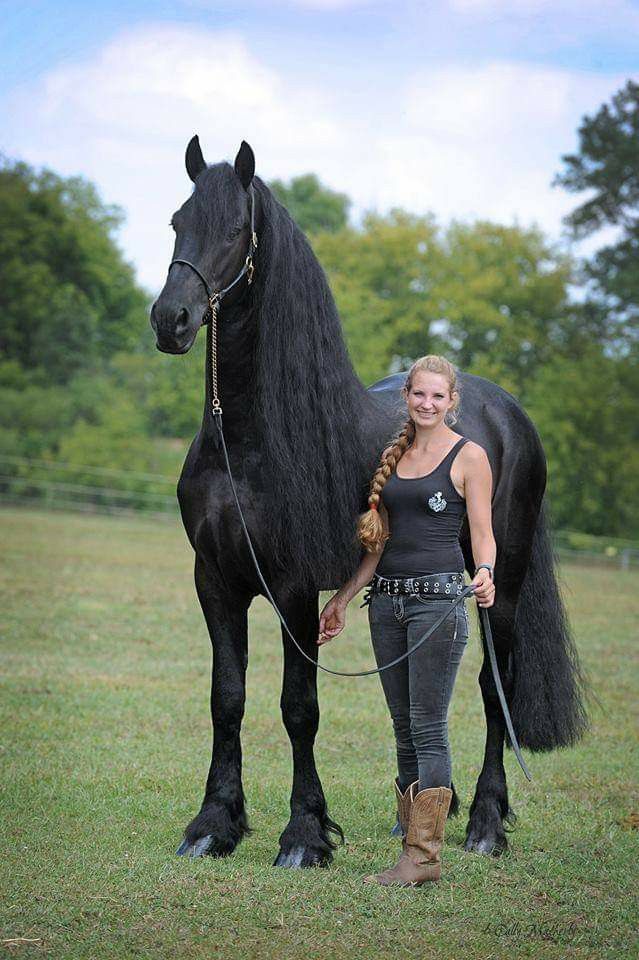
Baroque vs. Modern Sport Friesian: Which Type Is Right for Your Discipline?
Choosing between a Baroque Friesian and a Modern Sport Friesian can shape your entire riding experience. This guide breaks down the differences in build, movement, temperament, and suitability for different disciplines in 2026.
Quick Facts
- CategoryFriesian Horse Breed Guide
- Read Time8 min
- Published3/18/2026
Two Visions of the Same Legend
The Friesian horse has long been admired for its black coat, arched neck, floating movement, and storybook presence. Yet in 2026, not every Friesian fits the same mold. Within the breed, riders often find themselves drawn toward one of two broad types: the Baroque Friesian and the Modern Sport Friesian. Both carry the soul of the breed, but they express it in different ways. One speaks in the language of history, elegance, and power gathered under a compact frame. The other moves toward athleticism, refinement, and performance in modern sport. For a buyer, breeder, or rider, understanding this distinction is not a matter of taste alone. It can determine whether the horse truly matches the discipline, ambition, and feel you want in the saddle.
What Makes a Baroque Friesian Distinct
The Baroque Friesian is the image many people first imagine when they hear the word Friesian. This type is typically more compact, with a heavier build, a powerful neck, abundant feathering, and a fuller body. The frame feels rooted and substantial, often giving the horse a majestic, almost royal bearing. These horses tend to have expressive knee action and an elevated front end that makes them unforgettable in motion. The Baroque look connects strongly to the historical identity of the breed, echoing the horses seen in classical riding art, ceremonial settings, and carriage traditions. Riders who admire old-world beauty often find themselves captivated by this type because it feels less like a modern machine and more like a living monument to equestrian heritage.
The Rise of the Modern Sport Friesian
The Modern Sport Friesian represents a more athletic interpretation of the breed. This type is generally taller, lighter in frame, longer in the leg, and somewhat more streamlined through the body. Breeders seeking greater versatility in dressage and sport have favored movement, elasticity, and a more contemporary silhouette. The result is a Friesian that still retains breed character but often appears more refined and performance-oriented. In 2026, this type attracts riders who want the visual impact of a Friesian combined with improved suitability for competitive work. The Modern Sport Friesian may not look quite as dramatically baroque, but it often offers a more efficient way of going for riders aiming at dressage development, schooling progression, and broader athletic use.
Comparison of Friesian Builds: Substance vs. Athletic Refinement
When comparing Friesian builds, the most obvious difference lies in body structure. The Baroque Friesian usually presents more bone, a shorter and stronger-looking back, deeper body mass, and a heavier overall impression. The Modern Sport Friesian, by contrast, tends to show a longer outline, more uphill athletic shape, lighter bone, and a frame that suggests freedom through the shoulder and reach from behind. This matters because build influences how the horse moves, carries weight, and responds to training. A horse with more compact substance may shine in collected work and visual presence, while a more modern sport frame may offer easier development for riders wanting reach, elasticity, and balance in contemporary disciplines. Neither structure is automatically better. The right answer depends on what you want the horse to do day after day.
Movement Tells the Story the Body Begins
A horse’s body introduces it, but movement reveals its truth. Baroque Friesians often show lofty, expressive action with dramatic front-end lift and a proud way of carrying themselves. That kind of motion can be mesmerizing and deeply satisfying for riders who value theater, cadence, and traditional expression. Modern Sport Friesians usually offer movement that is a bit more economical, more elastic through the topline, and better suited to the technical expectations of modern training systems. In practice, this can mean smoother transitions, greater ease in developing sport dressage patterns, and a more naturally progressive balance for long-term athletic work. Watching the two types side by side can feel like watching two dancers interpret the same music differently. One performs with a stately flourish, the other with streamlined athletic precision.
Modern Sport Friesian Dressage: Why Riders Are Paying Attention
Modern Sport Friesian dressage has become a growing point of interest because more riders want a horse that brings Friesian presence into a competitive and trainable dressage context. The lighter, more athletic frame can make it easier for these horses to develop the balance, impulsion, and flexibility needed for modern schooling. For amateur riders, that can mean a more comfortable path into organized dressage work. For ambitious riders, it can mean a horse with stronger potential for discipline-specific development. The appeal is easy to understand. You still get the dark glamour and charisma that make Friesians unforgettable, but with a body type that may better support sustained sport training. In the arena, this often translates into a horse that feels more open through the shoulder, more elastic through the back, and better prepared for the kind of work judges and trainers increasingly reward.
Baroque Horse Characteristics 2026: Why Tradition Still Wins Hearts
Baroque horse characteristics in 2026 remain deeply desirable, especially among riders who value collection, presence, classical horsemanship, and heritage aesthetics. The Baroque Friesian is often favored in exhibitions, traditional driving, costume performances, and classical-style riding because its form complements those disciplines so naturally. There is something emotionally powerful about sitting on a horse that feels like it stepped out of a painting. The shorter, stronger body, expressive neck carriage, and commanding profile create a sense of occasion every time the horse enters a space. Even riders who never plan to compete seriously in sport often prefer this type because it delivers an experience, not just a function. It reminds them that horsemanship is not only about efficiency or points, but also about beauty, identity, and connection to tradition.
Choosing for Dressage, Pleasure Riding, Driving, or Show Presence
Your discipline should guide your choice more than fashion or social media trends. Riders focused on dressage, especially those wanting a horse that may be easier to shape for modern schooling, often lean toward the Modern Sport Friesian. Riders drawn to carriage driving, ceremonial presentation, traditional riding, or pleasure ownership built around visual magnificence may find the Baroque Friesian more fulfilling. Pleasure riders themselves can fall into either camp. Some want a horse that feels grand and storied beneath them, while others want a horse whose athletic frame may offer a more versatile everyday ride. The key is honesty. A beautiful horse that does not fit your actual discipline can become an expensive mismatch. But the right type, even if it is not the trendy one, can feel like a perfect partnership from the start.
What Buyers Should Look for Before Choosing a Type
Before committing to either type, buyers should study conformation, watch movement in person if possible, review pedigree direction, and think beyond looks. A horse’s build must support its intended future. A dramatic neck and impressive hair may steal the eye, but they do not replace soundness, trainability, and discipline fit. Buyers should also consider the training foundation already in place. A Baroque Friesian trained in classical work may be exactly right for one rider and entirely wrong for another seeking sport dressage progress. Likewise, a Modern Sport Friesian may offer brilliant athletic promise, but not satisfy someone whose dream is rooted in ceremonial grandeur and traditional form. Good buying decisions come from alignment, not impulse. The horse must fit the rider’s present skill, future goals, and emotional expectations.
Which Friesian Type Is Right for You in 2026
The answer comes down to the kind of relationship and discipline you want to build. Choose the Baroque Friesian if your heart is drawn to heritage, bold presence, compact power, and the romance of the traditional type. Choose the Modern Sport Friesian if your goals center on athletic development, dressage suitability, and a more contemporary sport-oriented frame. Both are undeniably Friesian. Both can be beautiful, loyal, and deeply rewarding. But they are not interchangeable, and treating them as if they are can lead buyers down the wrong path. In 2026, the smartest choice is not the most fashionable one. It is the one that lets horse and rider meet in the right kind of work, with the right kind of joy.
Final Thoughts: Let the Discipline Decide, but Let the Heart Confirm
A Friesian is never just a horse on a checklist. It is a presence, a feeling, a statement, and often a long-held dream. That is why the choice between Baroque and Modern Sport matters so much. One type may stir your imagination, while the other may better serve your discipline. The real success comes when those two forces finally agree. When the horse that moves you emotionally is also the horse that supports your practical goals, the decision becomes clear. And when that happens, you are no longer simply choosing between two types of Friesian. You are choosing the kind of story you want to ride into next.
Ready to find your own Friesian? Browse our available Friesians.